
Eyelid and periorbital surgery
Oculoplastic surgery is surgery of the eyelids, the brow–eyelid junction, the outer eye corner, the tear drainage system and the orbit. It covers functional problems that affect vision and eye comfort as well as age-related changes in how the eye area looks. Because the eyelid protects the eye, every plan starts with an eye examination.
What does it cover?
Oculoplastic surgery is the branch of ophthalmology focused on the area around the eye. Its main topics are:
- Excess skin and fat bags of the upper and lower lids (blepharoplasty)
- Drooping of the lid itself (ptosis)
- Lid malpositions such as inward or outward turning
- Brow descent and its effect on the upper lid
- Shape of the outer eye corner and descent of the midface
- Eyelid cysts and tumours, tear duct blockage
- Non-surgical treatments around the eye, such as botulinum toxin and fillers
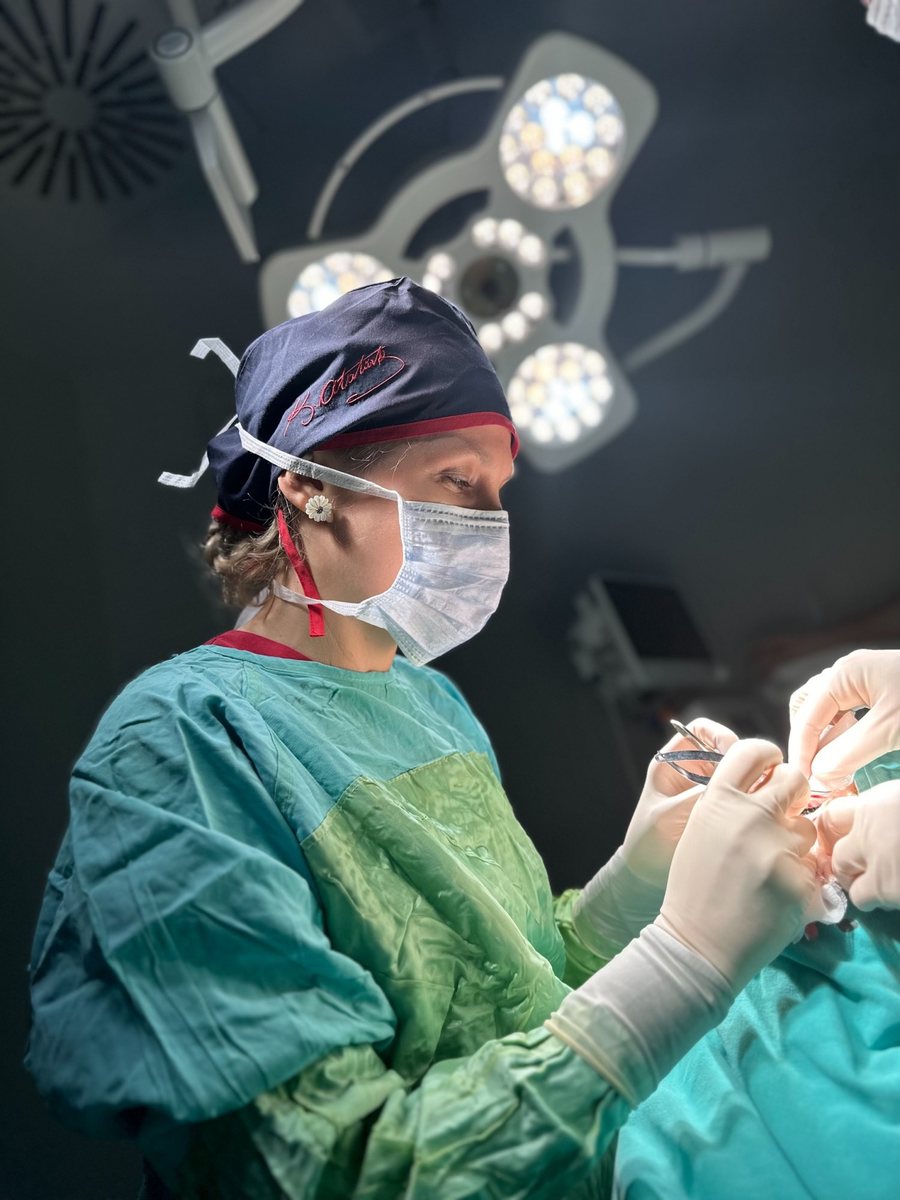
How the eye area is assessed
What looks like "hooded" or "tired" eyes is usually several structures changing at once. Each is assessed separately before any plan is made:
- Eye health: visual acuity, the ocular surface and tear production. Dry eye can worsen after eyelid surgery, so it needs to be known beforehand.
- Lid height and muscle function: to separate excess skin from a drooping lid (ptosis).
- Brow position: a lowered brow pushes skin onto the upper lid.
- Lower lid tone: a lax lower lid may need support to keep its position after surgery.
- Fat, hollows and skin quality: these decide which tissue is removed and which is preserved.
Procedures
Each page explains who the procedure is for, who it is not suitable for, recovery and risks.
- Upper eyelid surgeryExcess skin and fat; the incision in the lid crease.
- Lower eyelid surgeryRemoving or repositioning under-eye fat.
- Under-eye bagsCauses and treatment by cause.
- Brow ptosis and brow liftThe brow's effect on the upper lid, and methods.
- Almond eye surgeryRepositioning the outer eye corner (canthopexy).
- Midface lift through the lower lidLifting the descended cheek and shortening the lid–cheek junction.
Functional or aesthetic
The same operation can open the visual field for one patient and reduce a tired look for another. When upper lid skin hangs over the lashes and covers the upper visual field, the problem is functional and can be documented with a visual field test.
The goal of eyelid surgery is to reshape tissue without compromising the lid's role in protecting the eye. Removing too much skin can prevent full eye closure and cause dry eye.
Frequently asked questions
Which specialists perform eyelid surgery?
In Turkey, eyelid surgery is performed by ophthalmologists and by plastic, reconstructive and aesthetic surgeons. Ophthalmology training centres on the eye itself, the tear film and how the lid protects the eye; plastic surgery training centres on the face as a whole. Experienced surgeons exist in both fields; it is reasonable to ask any surgeon about their eyelid surgery experience.
How long after eyelid surgery can I fly home?
This depends on the procedure and your recovery and is agreed individually. The usual sequence is examination, surgery, a check-up and then suture removal; where needed, dissolvable sutures can be used, which can shorten the stay.
This page is for general information only and does not replace a medical consultation. Anatomy and treatment plans differ from patient to patient.